The fascia: anatomy, functions, and implications for beauty

What is fascia?
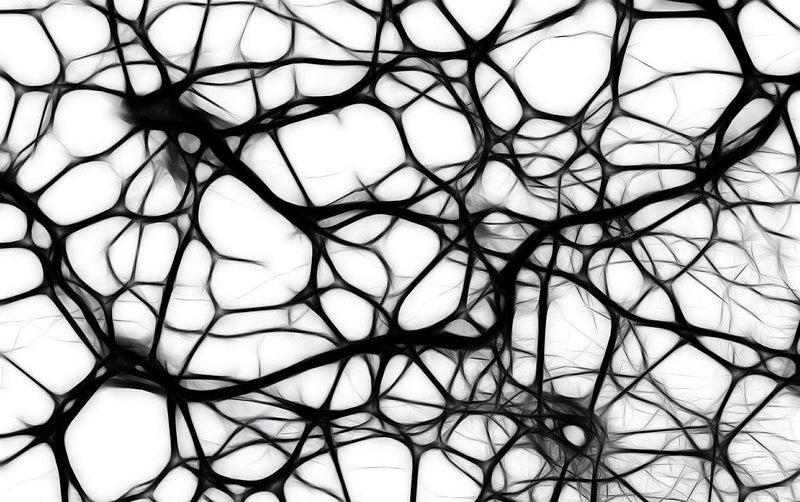
Fascia is a living connective tissue that extends throughout the body, forming a vast three-dimensional web.
Composed of collagen (strength), elastin (flexibility) and a ground substance rich in water and hyaluronic acid (lubrication), it envelops, connects and supports all our internal structures.
It’s often described as a second inner skin, a hydrated spider’s web that links every organ, muscle and cell.
“To picture it, think of an orange: the flesh is the muscle, and the thin white membrane between the peel and the flesh—that’s the fascia.”
— Sylvie Lefranc, fascial specialist and facial beauty expert

The three main fascia families
- Superficial fascia
Under the skin, rich in water, fat cells and nerves.
→ Cushions, allows skin mobility and transmits sensations (touch, pain, temperature). - Deep fascia
Envelops muscles, tendons, bones, nerves and blood vessels.
→ Transmits muscular forces, maintains posture and coordinates movement. - Visceral fascia
Supports the internal organs (lungs, heart, liver, intestines).
→ Enables their gliding and contributes to breathing, digestion and circulation.
“Lymph and vital energy also flow through the fascia: lymphatic channels and acupuncture meridians run within it. When you stimulate fascia, you stimulate circulation and vitality.”
— Sylvie Lefranc

Essential functions of fascia
Long regarded as mere “packaging,” fascia is now recognized as a sensory and mechanical organ in its own right.
It ensures:
- Support and structure: distributing loads, absorbing shocks.
- Force transmission: relaying muscular movements.
- Proprioception: informing the brain of body position.
- Sensitivity: highly innervated, it’s involved in chronic pain.
- Hydration: acts like a sponge, diffusing water and nutrients.
- Functional continuity: connects all structures via myofascial chains.
Surgeon Jean-Claude Guimberteau, a pioneer of fascial research in France, filmed living fascia under the skin: a moving, intelligent, vibrant mesh—far from the “inert” tissue once cut away.

Fascia | “Promenades sous la peau” by Dr. Jean-Claude GUIMBERTEAU

When fascia suffers
- Causes
- Scars, trauma, inflammation
- Immobility, sedentary lifestyle
- Chronic stress
- Lack of hydration
- Hormonal drop (menopause, lower estrogen)
- Consequences
- Adhesions: “stuck” or rigid zones
- Diffuse pain and stiffness
- Chronic fatigue
- Slumped posture
- Loss of tone and circulation
“Fascia can become matted in some areas and overstretched in others. It then loses its natural glide. That’s what causes stiffness or the feeling that ‘things aren’t flowing.’”
— Sylvie Lefranc

How to care for your fascia
Fascia is malleable: it regenerates when properly hydrated, mobilized and relaxed.
- Move slowly and with variety: yoga, Pilates, dance. Fascia loves fluidity.
- Hydrate: drink regularly to nourish the hyaluronic-acid matrix.
- Breathe deeply: diaphragmatic breathing frees visceral fascia.
- Relax: stress tightens fascia via the autonomic nervous system.
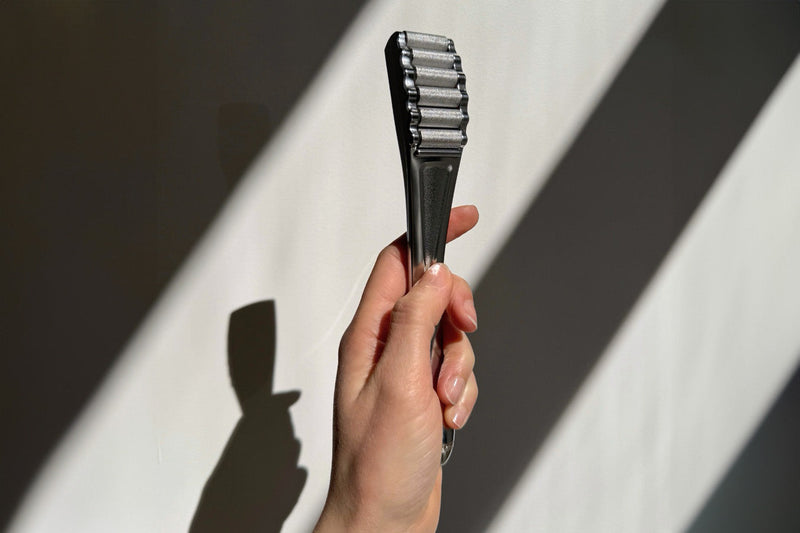
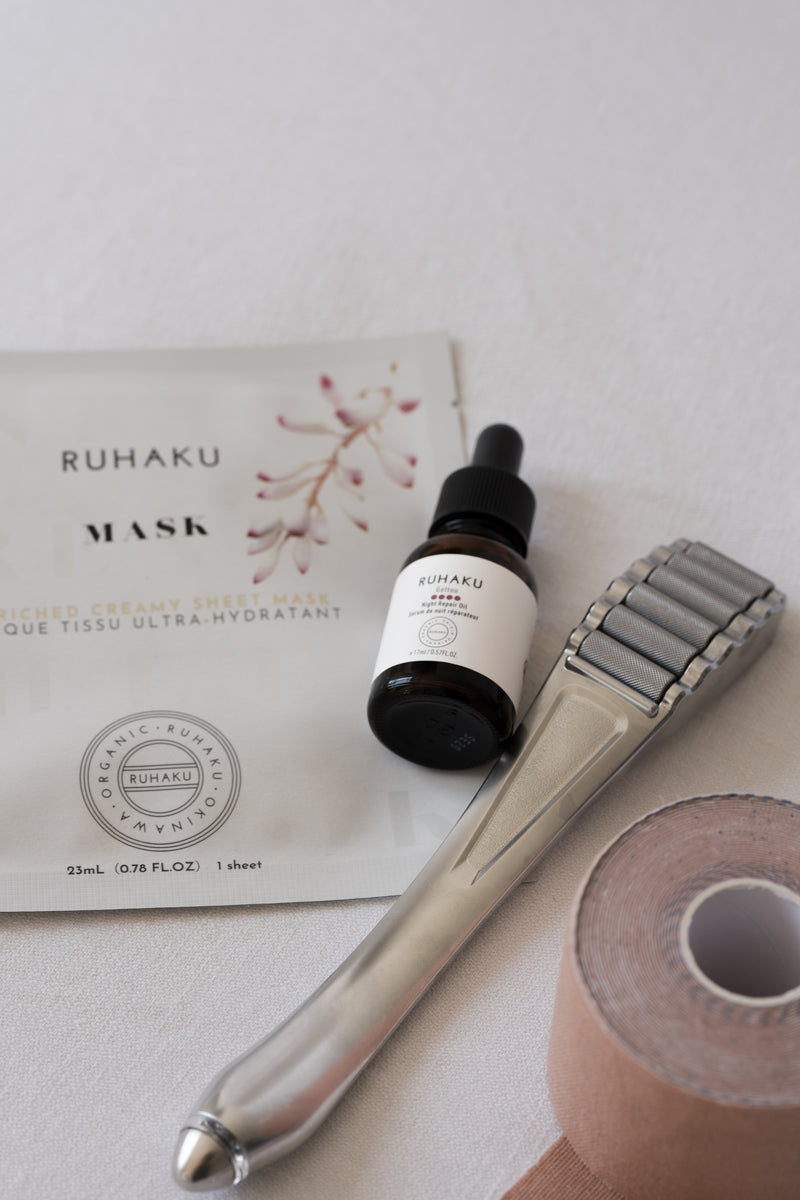
- Self-massage regularly: rollers, gua sha, Face Pointer, Head Driver, etc.

“Anything that rolls helps re-lubricate fascia. Making it glide brings it back to life, light and suppleness.”
— Sylvie Lefranc

Fascia and facial beauty
Under the skin, facial fascia connects muscles, bones and dermis. Its condition directly affects the face’s tone, suppleness and expression.
- Supple, hydrated fascia → better circulation, luminous skin, relaxed features.
- Stiff or stuck fascia → fluid stagnation, pronounced lines, drawn features.
Japanese facial massage and beauty tools work in depth to:
- release adhesions,
- restart micro-circulation,
- stimulate collagen production,
- restore suppleness and definition to tissues.
“When fascia is rigid around the mouth, the smile becomes smaller. By releasing it, you regain the face’s range and vitality.”
— Sylvie Lefranc
Tools recommended by Sylvie Lefranc
Under the skin, facial fascia connects muscles, bones and dermis. Its condition directly influences the face’s tone, suppleness and expression.
Relaxation:
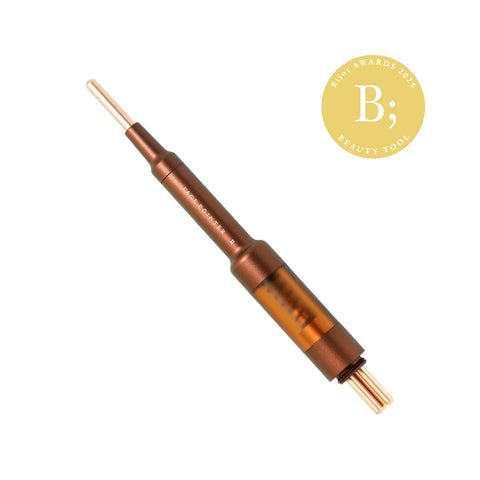
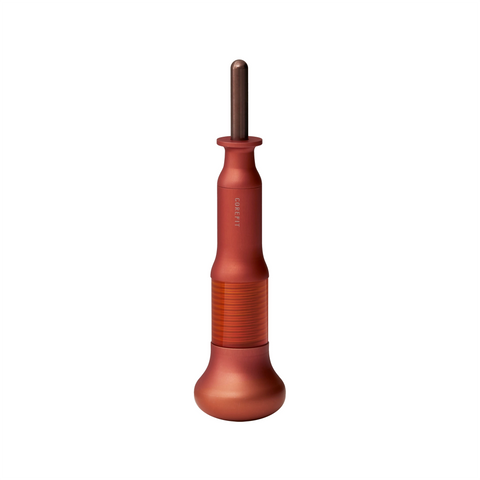
Lubrication:
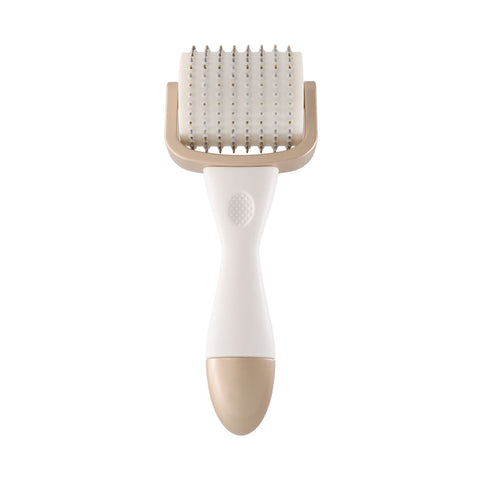
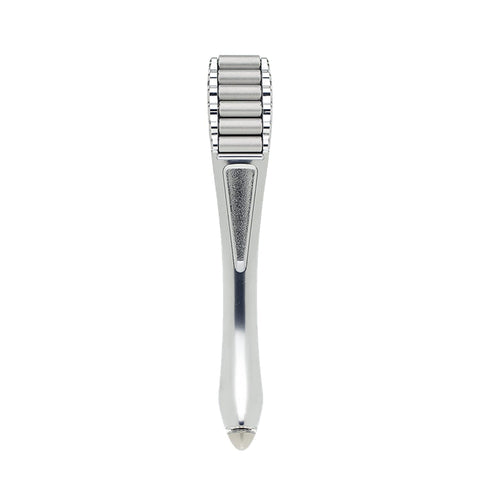
“Fascia forms a continuous network throughout the body—with no beginning or end—so freeing a distant area, like the shoulder blade, can visibly affect another, like the eyelid.”
— Sylvie Lefranc