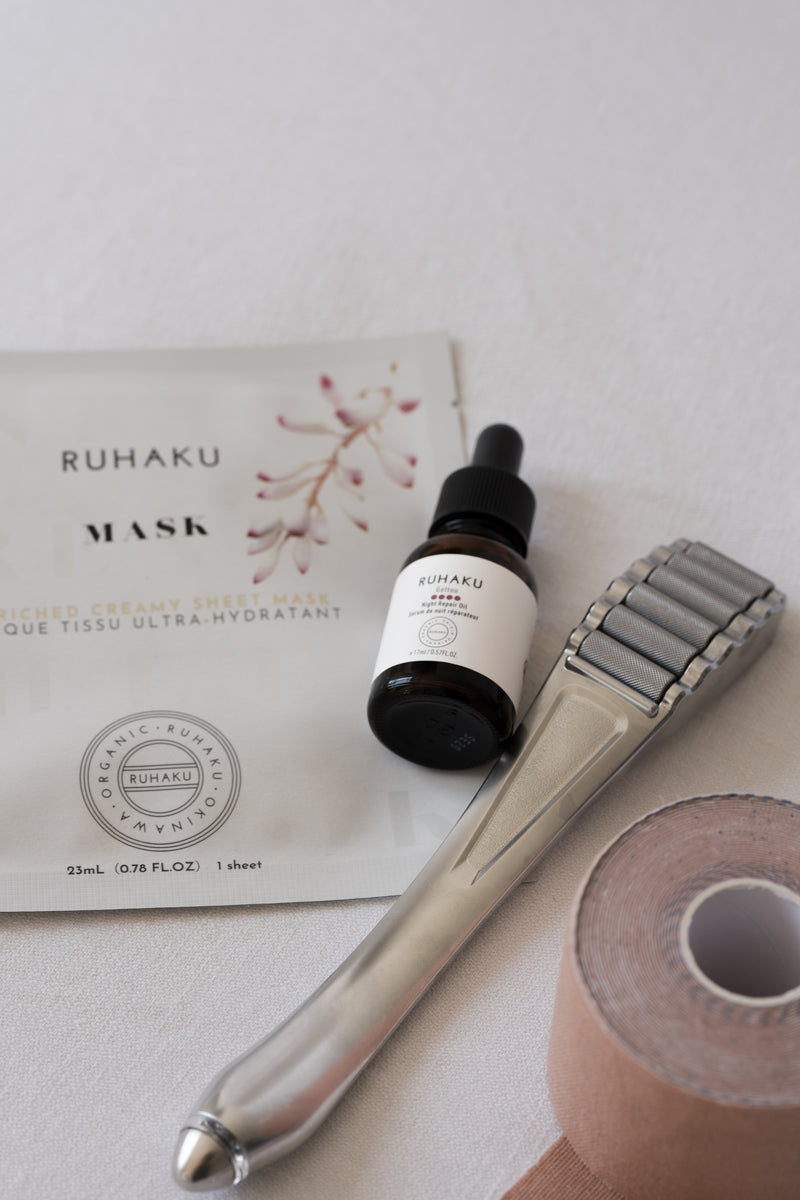
From Anti-Aging to Aging Care: Embracing Your Beauty at Every Age

For a long time, the beauty industry has focused heavily on anti-aging. The term suggests that aging is something we should fight against.
In Japan, we also use another expression: Aging Care.
The difference is significant. Aging Care means naturally supporting the changes our skin and bodies go through, rather than trying to prevent them.
There is beauty at 20, another kind at 50, and yet another at 70. To me, the most important thing is to preserve our health, well-being and individual beauty throughout our lives.
This approach is based on three fundamental principles of J-Beauty:
The Three Principles of J-Beauty
Prevention
In Japan, we make a habit of protecting our skin from the sun from an early age. Sunscreen, hats and parasols are part of everyday life. The goal is to prevent UV damage rather than wait for it to appear.
Japanese Wpc parasols perfectly illustrate this habit, complementing appropriate sun protection.
Consistency
Japanese beauty places great importance on small actions repeated every day. A simple but consistent routine is often preferable to a succession of occasional, intensive treatments.
Respect for the Skin
Maintaining hydration, avoiding overly harsh cleansing and caring for the skin barrier are essential steps.
The DECORTÉ Liposome Advanced Repair Serum embodies this philosophy. Its multilayer bio-liposome technology allows hydrating ingredients to be released gradually, helping maintain skin comfort and suppleness every day.
Beauty is not achieved through one exceptional product, but through a multitude of small actions repeated every day.
Caring for Your Scalp, Neck and Shoulders

When we talk about beauty, we naturally think of the face. Yet in Japan, scalp, neck and shoulder care play an important role in our wellness rituals.
I believe it is essential to consider the face as part of the body as a whole.
Today, we spend a great deal of time in front of our computers and phones. We constantly put strain on our necks and shoulders without always taking the time to release the tension that builds up.
A Daily Ritual That Takes Just a Few Minutes
That's why I like to recommend a very simple ritual: three to five minutes of self-massage every day.
Using a suitable brush, gently massage your temples, move up towards the crown of your head, then finish at the back of your head. A few gentle movements with your hands on your neck and shoulders can extend this relaxing moment.
There is no need to apply strong pressure. The most important thing is to find a level of pressure that feels pleasant and comfortable.
The Bijo; Scalp Brush, with its silicone bristles and different firmness levels, is an ideal accessory for incorporating this step into your daily routine, whether on a dry scalp or during shampooing.
Taking a few minutes just for yourself every day is already a way to nurture your long-term well-being.
Sleep: An Essential Pillar of Longevity

We can use the best cosmetics in the world, but we should never underestimate the importance of sleep.
Sleep plays a fundamental role in physical recovery, brain function and emotional balance. In Japan, rituals designed to improve rest and relaxation are becoming increasingly important.
Preparing the Body for Rest
Personally, I believe the quality of our sleep begins long before we go to bed.
Our exposure to natural light during the day helps regulate our biological clock, known as the circadian rhythm. In the morning, daylight helps our bodies recognize that the day has begun. In the evening, reducing overly bright lighting helps us better respect our natural rhythm.
I also love small habits that help us mark the transition from an active day to a moment of rest.
The MegRhythm warming eye masks are a wonderful example of Japanese innovations designed for everyday life. Their gentle warmth, at around 40°C, invites you to close your eyes and enjoy twenty minutes of relaxation.
It's not just about beauty. Learning to rest is also part of the art of aging well.
Japanese Well-Being: Rediscovering the Joy of Small Rituals
In Japan, well-being is not necessarily associated with extraordinary experiences. It can also be found in the simple actions we repeat every day.

Tea: Taking Time for Yourself
Preparing a cup of tea is a ritual in its own right. Appreciating its aroma, observing its color and taking a few minutes to savor it: these actions invite us to slow down.
The Kakegawa matcha selected by Bijo; is part of this tradition. Its deep green powder, silky texture and delicate vegetal flavor make it much more than a simple drink: it's a little moment of pleasure to set aside for yourself.

The Bath: Releasing Tension
In Japan, bathing is a deeply rooted tradition. Unlike a shower, which is mainly used for washing, a Japanese bath is a moment of relaxation and recovery.
After a long day, we love immersing ourselves in warm water simply to unwind. This tradition can also be found in onsen, Japan's natural hot springs, where bathing becomes an experience deeply connected to nature.
To recreate this atmosphere at home, Shikohin Onsen bath tablets, scented with yuzu and Hiba wood, or the Aomori Hiba wood bath essence invite you to rediscover the scents of Japanese forests.

Incense: Creating an Atmosphere
Japan also has a long-standing tradition of incense and the art of fragrance. The scents of wood, flowers and plants allow us to transform the atmosphere of a space and create a moment of calm.
I particularly appreciate fragrances that evoke Japanese nature, such as hinoki, yuzu and kuromoji.
Lighting a stick of Japanese incense, enjoying its fragrance and letting time pass for a few moments is a wonderfully simple ritual.
Japanese well-being doesn't necessarily rely on extraordinary things. Drinking tea, taking a bath, enjoying a fragrance: these are the little moments that make everyday life more enjoyable.
Aging Well Also Means Preserving Your Freedom of Movement

Another aspect of longevity that I find particularly important is our ability to keep moving freely.
Being able to walk, get around, travel and remain independent as we age is an essential part of healthy life expectancy.
Caring for Your Feet
In Japan, we pay close attention to how our feet and toes function. This may seem surprising, but our feet are the foundation of our bodies. Our toes contribute to our balance, posture and the way we walk.
Preserving their mobility is therefore important as we get older.
Some Japanese footwear is specifically designed to encourage the natural movement of the toes. This is the case with HOMARE sandals, inspired by traditional Japanese sandals and designed to support the foot's natural movements while walking.
Of course, no accessory can replace physical activity. But it can encourage us to pay closer attention to our bodies and the way we move.
Walking regularly, taking the stairs, gardening and staying active: these simple habits help preserve our mobility.
Longevity concerns our bodies just as much as our skin. Aging well also means retaining the freedom to do what we love.
Okinawa: What the Habits of Centenarians Can Teach Us
When discussing longevity in Japan, it is hard not to mention Okinawa. This region is known for having had a remarkable proportion of older people, including many centenarians. Their traditional lifestyles have attracted the interest of researchers around the world.
What fascinates me is that these habits were not based on extraordinary products, but on simple elements of everyday life.
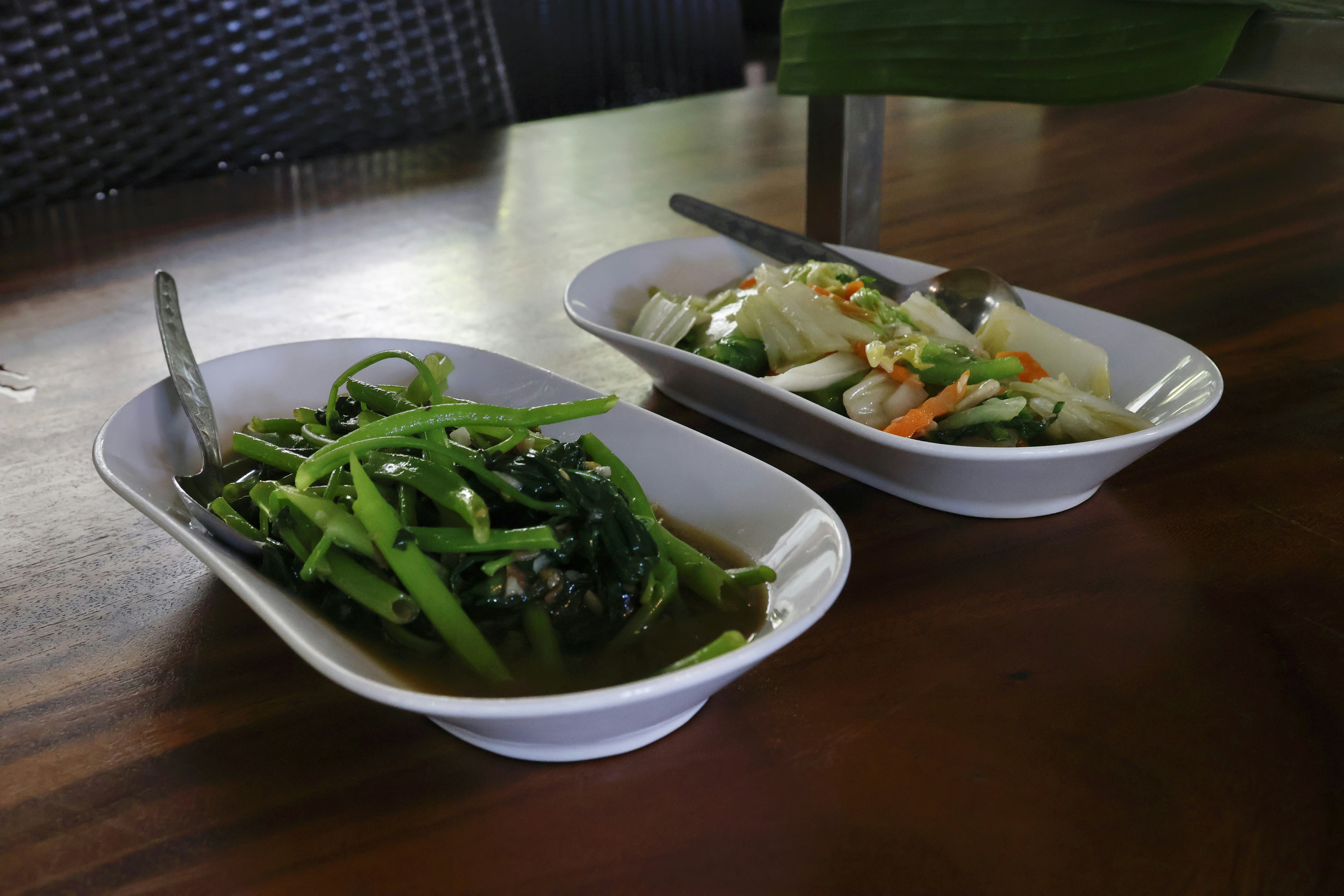
A Varied and Balanced Diet
Traditionally, the Okinawan diet included plenty of vegetables, sweet potatoes, tofu and seaweed.
In Japan, we have an expression: Hara Hachi Bu. It means eating until you are about 80% full, rather than always eating until completely full.
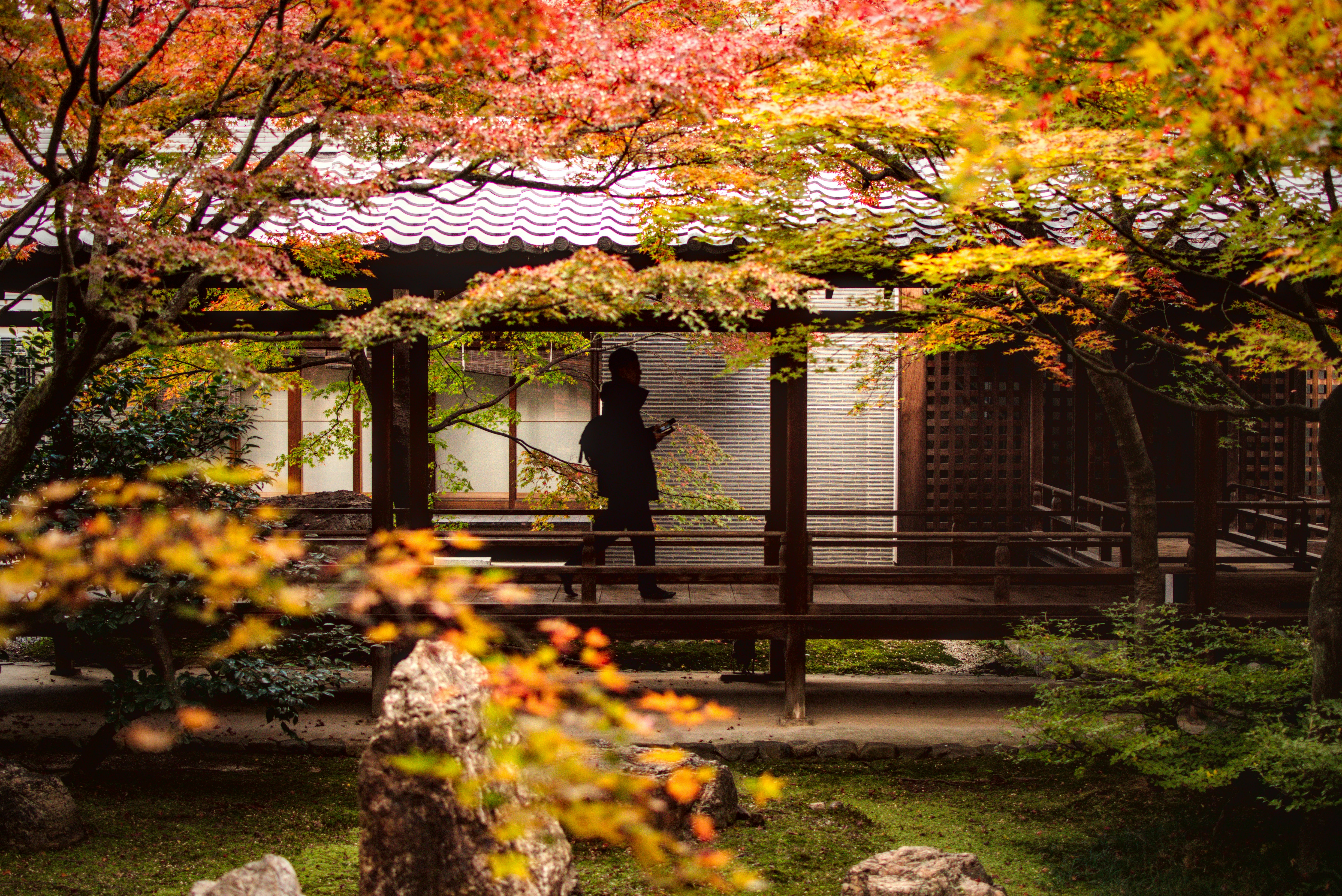
Everyday Movement
Walking, gardening and staying physically active throughout life, without necessarily engaging in intensive sports.
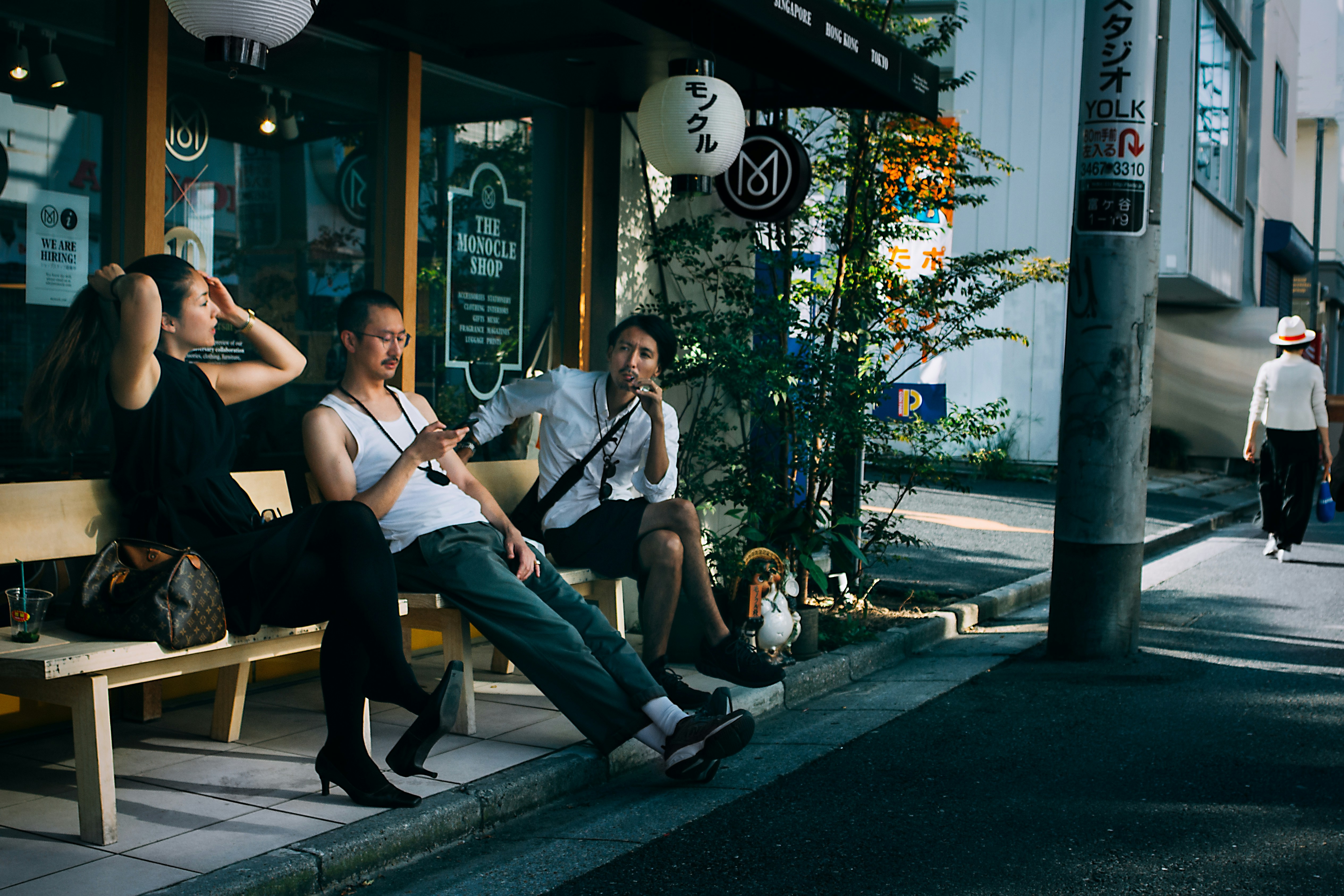
Social Connections
In Okinawa, the tradition of Moai refers to groups of people who meet regularly to talk, share experiences and support one another.
Continuing to see friends, share meals and feel surrounded by others are valuable at every age.
A Life Less Dominated by Stress
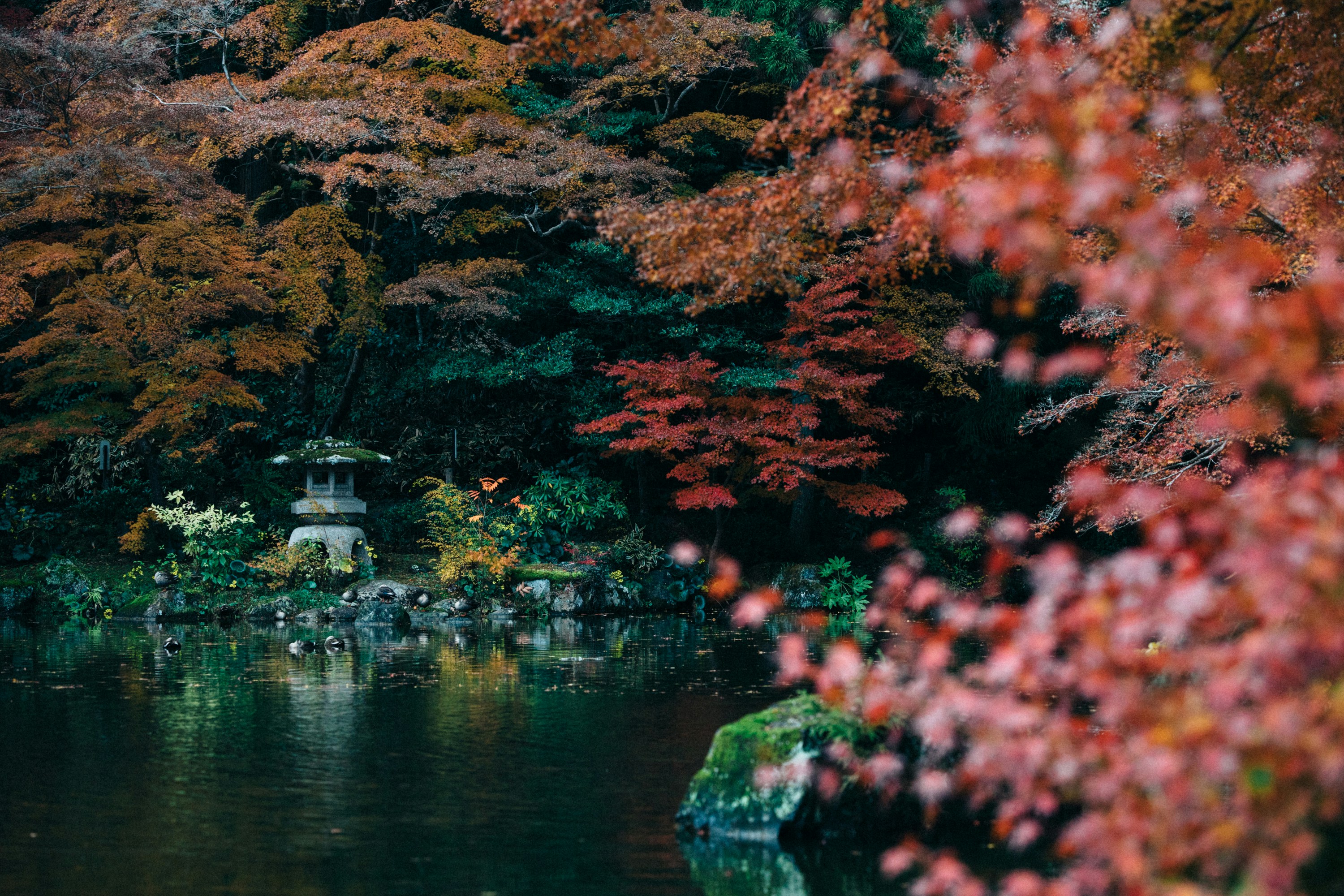
Taking time, staying close to nature and making space for moments of calm are also part of this philosophy.
These habits remind us that longevity depends not only on what we do for our bodies, but also on how we organize our lives and the relationships we maintain with others.
Ikigai: Having a Reason to Get Up Every Morning
I'd like to finish with a Japanese concept that I find particularly beautiful: Ikigai (生きがい).
It is often translated as “a reason to get up in the morning.”
But Ikigai does not necessarily mean having a great ambition or an extraordinary goal.
It can mean meeting up with friends, sharing a meal with family, tending to your garden, continuing to do work you love or simply savoring a cup of tea every morning.
What I love about this philosophy is the idea that we can continue to find pleasure, curiosity and reasons to move forward at every stage of life.
It's not just about living a long life, but about keeping the desire to discover, share and look forward to a new day.
And ultimately, isn't that what matters most?
Longevity: A Philosophy for Everyday Life
To me, Japanese longevity is not about constantly trying to stay young. It is a way of caring for ourselves as a whole: our skin, body, sleep and diet, as well as our minds, relationships and environment.
It is also about believing that our small habits matter.
Protecting ourselves from the sun, caring for our skin, walking, enjoying daylight, making tea, taking a bath or sharing a moment with the people we love. These are simple, accessible things that bring quality to our days.
I don't think we should try to stay young throughout our lives. I believe we should focus on feeling good, staying curious and fully appreciating every stage of life.
This is the vision of Japanese beauty and well-being that I have always wanted to share through Bijo; Paris.
Keiko Suyama
Founder of Bijo; Paris