1. Stimulate circulation every day
Even before shampooing, simply brushing upward helps loosen impurities, air out the scalp and stimulate microcirculation. This gesture prepares the scalp, helps keep the tissues supple and contributes to maintaining better balance on a daily basis.
Scalp massage is just as essential. Practiced for a few minutes, two to three times a week, it helps stimulate local circulation, release built-up tension and maintain a more mobile and comfortable scalp. It should always feel pleasant and never aggressive.
This can be done with your fingers, with a dedicated brush or with a more targeted tool for areas that tend to hold tension, such as the temples, sides of the head or crown.
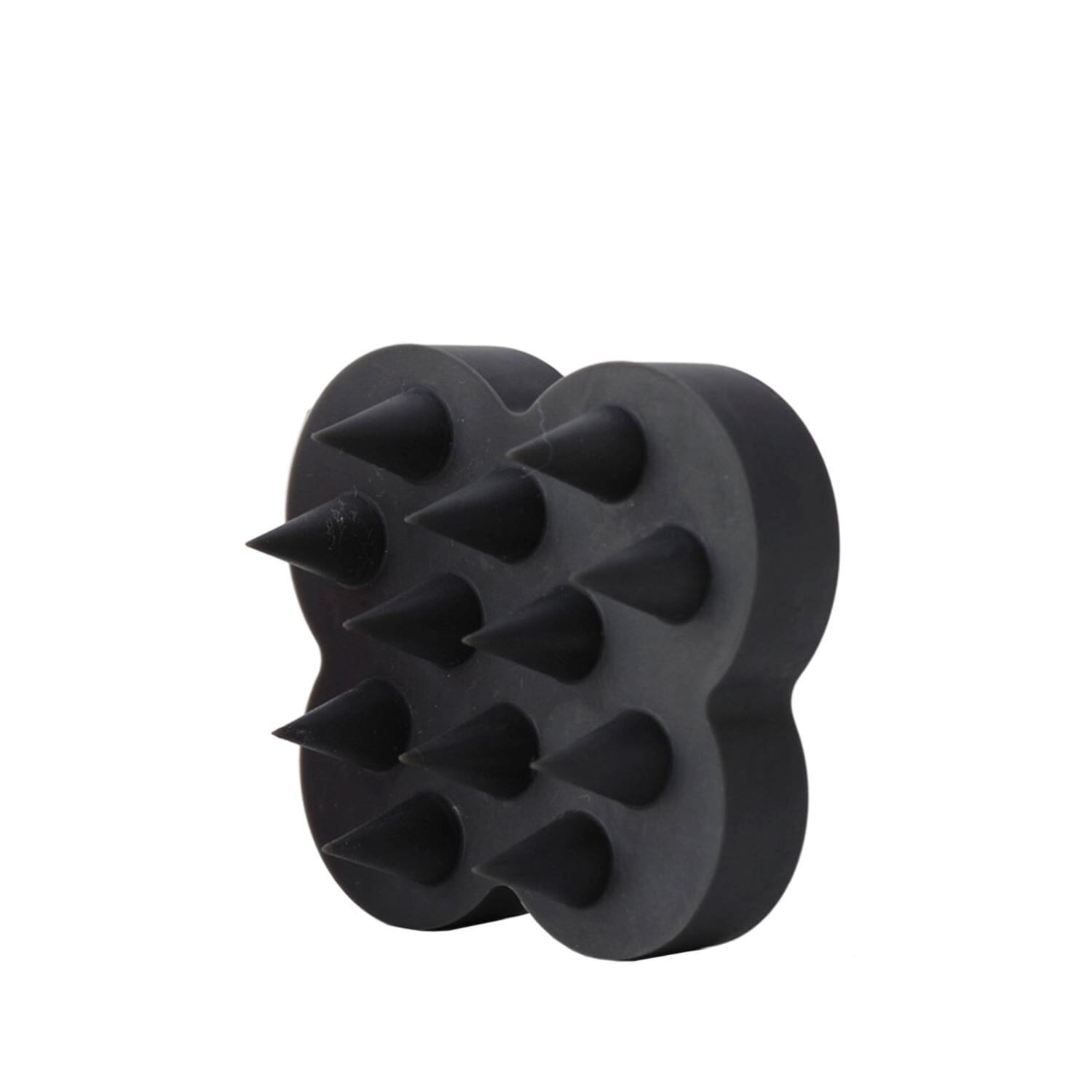
Scalp Brush Kenzan
A scalp massage brush, ideal for gentle stimulation and for use during shampooing or daily massage.

HORiZONE Corefit
An expert tool designed to work deeply on the scalp and help release tension that has built up around the head.

Kobako Hair & Scalp Brush
A brush designed both to detangle and massage, making it easy to incorporate into your everyday routine.

Scalp Brush S.Heart.S
Featuring rounded massage-tipped bristles, it gently stimulates the scalp and helps maintain a light, refreshed feeling at the roots.

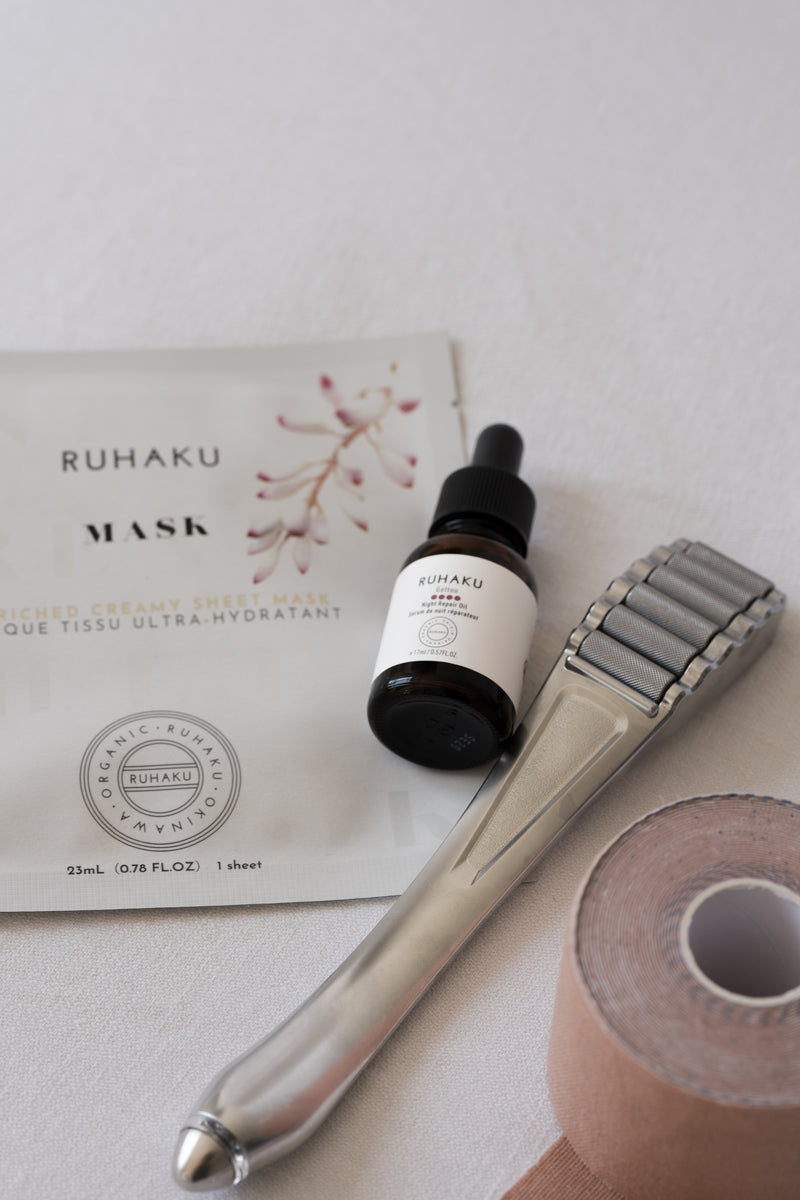
Body Meditation Roller
A 272-point roller that can be used on both the body and scalp to stimulate circulation and release tension.
2. Detox regularly
Even with a good routine, sebum, pollution, dust, dead skin cells and styling product residue can build up over time. The scalp can then feel heavier and less fresh, while the roots may lose their sense of lightness.
Once a week, it can be beneficial to incorporate a deeper cleanse with a dedicated scalp treatment. The idea is not to strip the scalp, but to purify it more thoroughly without disrupting its natural balance.
This helps maintain a cleaner, more comfortable scalp and visibly lighter, airier-looking roots.

Scalp Cleansing Deep & Light
A gentle amino acid cleanser designed to purify the scalp without drying it out and restore a fresh, comfortable feeling.
Kenzan
Paired with a dedicated cleanser, it allows for a more precise massage and a more sensory scalp-cleansing experience.
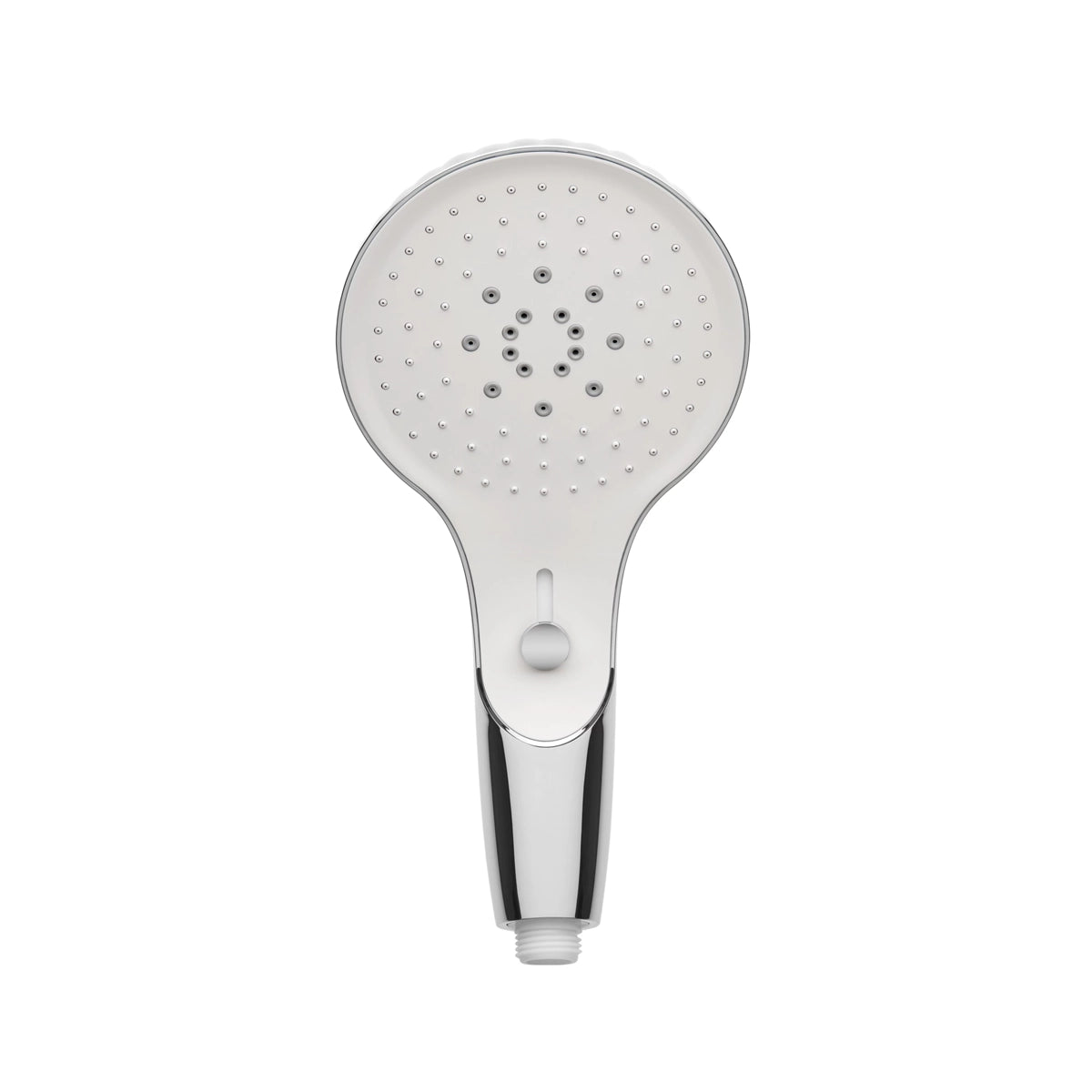
Oxygen Spa Micro Mist Shower
Its ultra-fine microbubbles help gently cleanse the scalp and hair while preserving their comfort and hydration.
3. Hydrate the scalp
The scalp deserves the same attention as the skin on your face. When it lacks comfort, it can become drier, more sensitive or more prone to imbalance.
Incorporating a dedicated serum or lotion helps provide hydration, support the skin barrier and maintain a softer, more soothed scalp.
This step is particularly beneficial during seasonal changes, when the scalp can become more reactive.

Rebirth Serum for Scalp
A scalp serum that helps hydrate, rebalance and maintain a comfortable feeling every day.
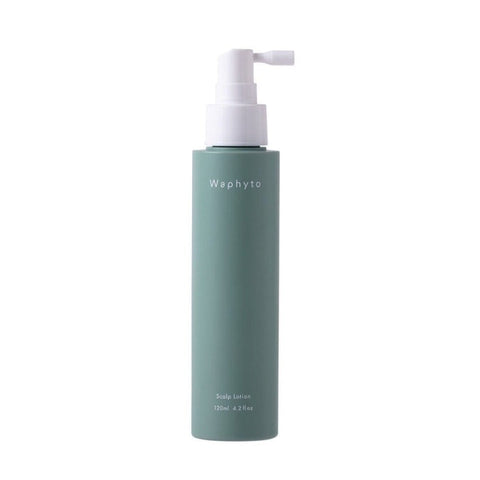
Scalp Lotion
A refreshing lotion designed to care for the scalp and prolong a feeling of freshness and balance.
4. Protect the scalp from UV rays
We often remember to protect the skin on our face, but the scalp is also exposed to the sun. During periods of intense sunlight, it can be useful to protect both the scalp and hair with suitable headwear.
This protection is particularly beneficial if the scalp is sensitive, dry or prone to discomfort.

SASAWASHI UV Protection Hat
Made from Sasawashi fabric, it provides up to 98% UV protection thanks to its dense weave. The material is breathable, moisture-absorbing and naturally antibacterial.

SASAWASHI Braided UV Protection Hat
A braided version appreciated for its comfortable fit, timeless style and ability to remain comfortable even during the summer.
5. Adopt a few daily habits
Alongside scalp care, a few simple habits can help maintain hair quality during periods of seasonal shedding.
- Avoid hairstyles that are too tight, as they pull on the roots and can weaken the hair.
- Limit frequent exposure to heat, such as blow-drying or straightening, which can dry out the hair fiber.
- Opt for gentler styling and reduce unnecessary friction.
- Maintain a balanced diet rich in essential nutrients.
- Make real time for rest, as stress can contribute to scalp imbalance and increased shedding.
In Japanese approaches, scalp care is part of a holistic vision: it is not only about what we apply, but also about how we live, recover and care for our overall balance.
Key takeaways
Beautiful hair is not cared for only through the lengths. It also begins at the roots, with a healthier, more mobile and better-balanced scalp.
Regular cleansing, stimulating microcirculation, hydrating with targeted treatments and protecting the scalp from the sun are simple yet valuable steps to support your hair throughout the seasons.