How do pigmentation spots form?
Melanin is the pigment that gives skin its color. Produced by melanocytes, it is also one of the skin’s natural defense mechanisms against UV rays.
When exposed to the sun, its production increases: this is what causes tanning, in particular. However, several factors can disrupt this mechanism and lead to a higher concentration of melanin in certain areas.
Among the main causes:
- UV exposure, the leading cause of sun spots and many pigmentation irregularities.
- Inflammation, following a blemish or irritation, for example, can leave behind a darker mark.
- Hormonal changes and the passage of time, which can also alter pigmentation and make certain spots more visible.
Not all spots therefore have the same origin. When pigmentation appears suddenly, changes, or persists despite skincare, seeking dermatological advice is still recommended.
Pigmentation and radiance: two closely connected concerns
Dull skin is not necessarily pigmented skin. A lack of radiance can also be caused by dehydration, an uneven texture, or a buildup of dead skin cells.
However, pigmented areas create contrasts that make the complexion appear less even. Working on overall uniformity can therefore help restore skin that reflects light more evenly and appears naturally more radiant.
The goal is therefore not simply to focus on one isolated spot, but to gradually improve the overall quality and balance of the complexion.
The Japanese approach: evening out the complexion without irritating the skin
In a routine dedicated to pigmentation spots, using multiple powerful active ingredients is not always the best solution. Irritated or weakened skin can, on the contrary, become more reactive.
The Japanese approach focuses on consistency and complementarity: targeting unevenness with a few carefully selected active ingredients, preserving the skin’s hydration and radiance, and then protecting it from UV rays every day.
1. Targeting pigmentation irregularities
Among the most interesting active ingredients, niacinamide, or vitamin B3, helps in particular to limit the transfer of melanin to the skin’s superficial cells. Alpha-arbutin, meanwhile, acts on a mechanism involved in melanin production.
Combined in the same formula, they help gradually improve the appearance of spots and the overall evenness of the complexion.
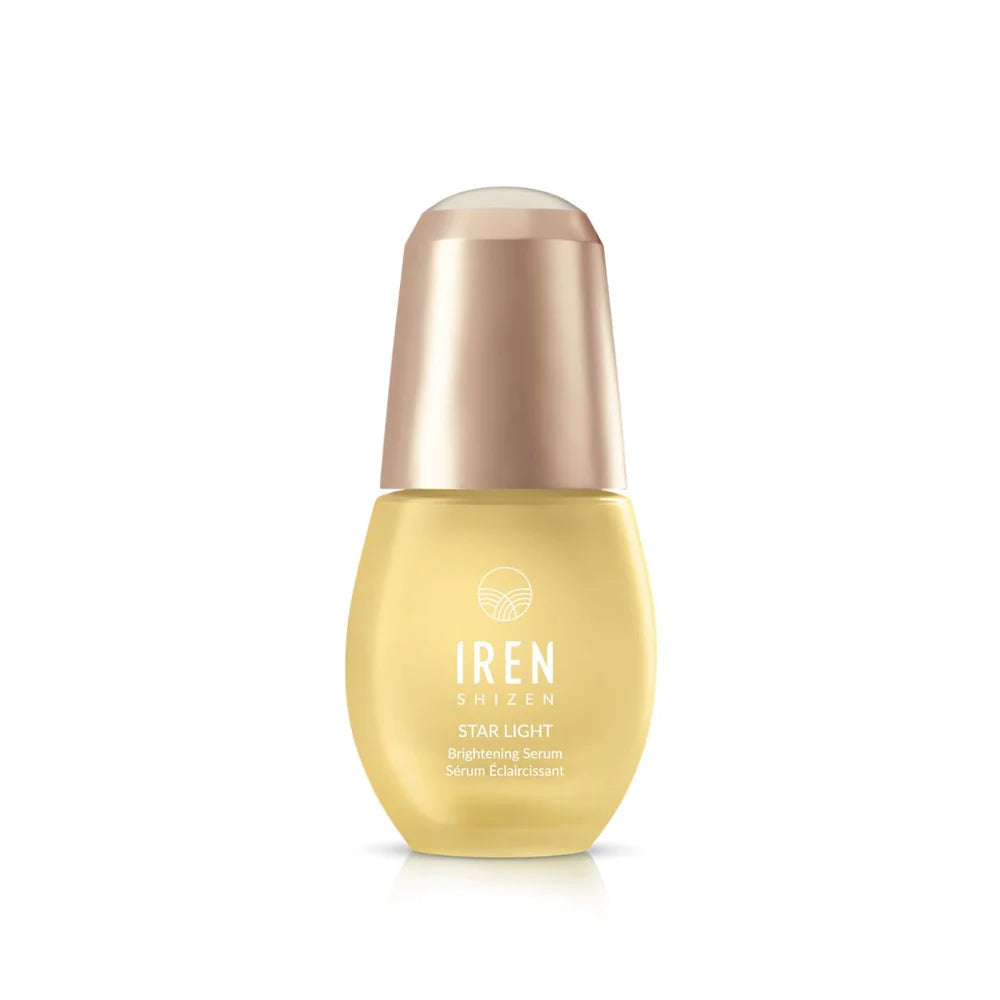
STAR LIGHT BRIGHTENING SERUM — IREN SHIZEN
With 5% niacinamide and 2% alpha-arbutin, STAR LIGHT helps reduce the appearance of spots and restore a more even, radiant complexion.
2. Restoring radiance and preserving skin quality
Targeting spots is not always enough to restore a radiant complexion. After summer, the skin may also need nourishment, antioxidants, and lipids to regain suppleness and comfort.
Well-nourished skin with a more even surface also reflects light better: an even complexion and radiance therefore work together in complementary ways.
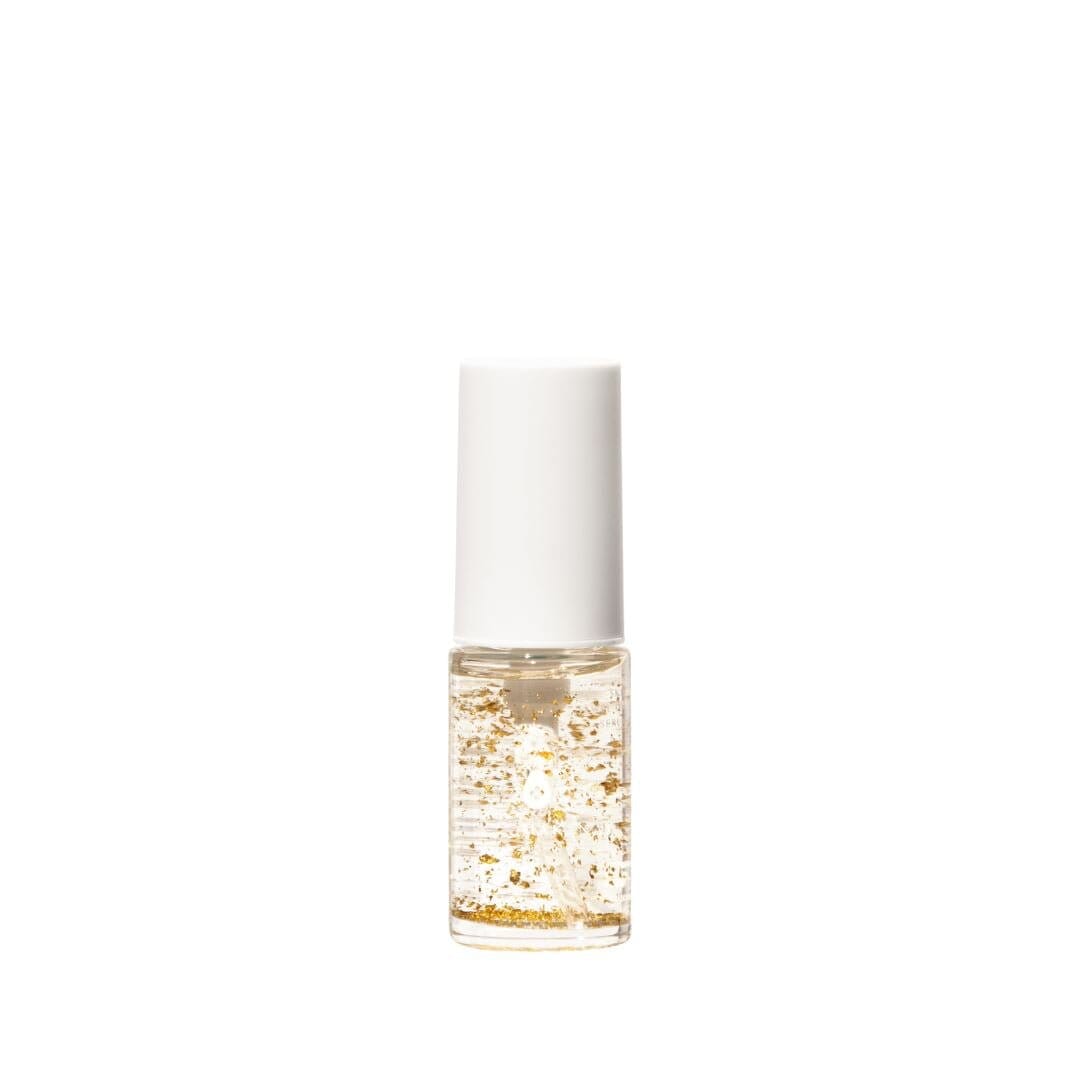
Skin Jewel Oil Serum - MAKANAI
Seven botanical oils and antioxidant ingredients to nourish, soften, and revive the radiance of skin lacking comfort after summer.
Beauty Tech: what can LED technology do for pigmentation spots?
LED technology now plays an important role in Japanese beauty technologies, with each wavelength selected for different properties.
When it comes to pigmentation irregularities, green-blue light around 505 nm is particularly interesting. Recent research suggests that it may act on certain mechanisms involved in melanin production and help improve overall complexion uniformity.
Beauty tech does not replace skincare or sun protection: it complements a consistent routine.

Blue-Green Mask Lift - YA-MAN
505 nm green-blue LED, red LED, and EMS to support a more even complexion while also working on facial firmness.
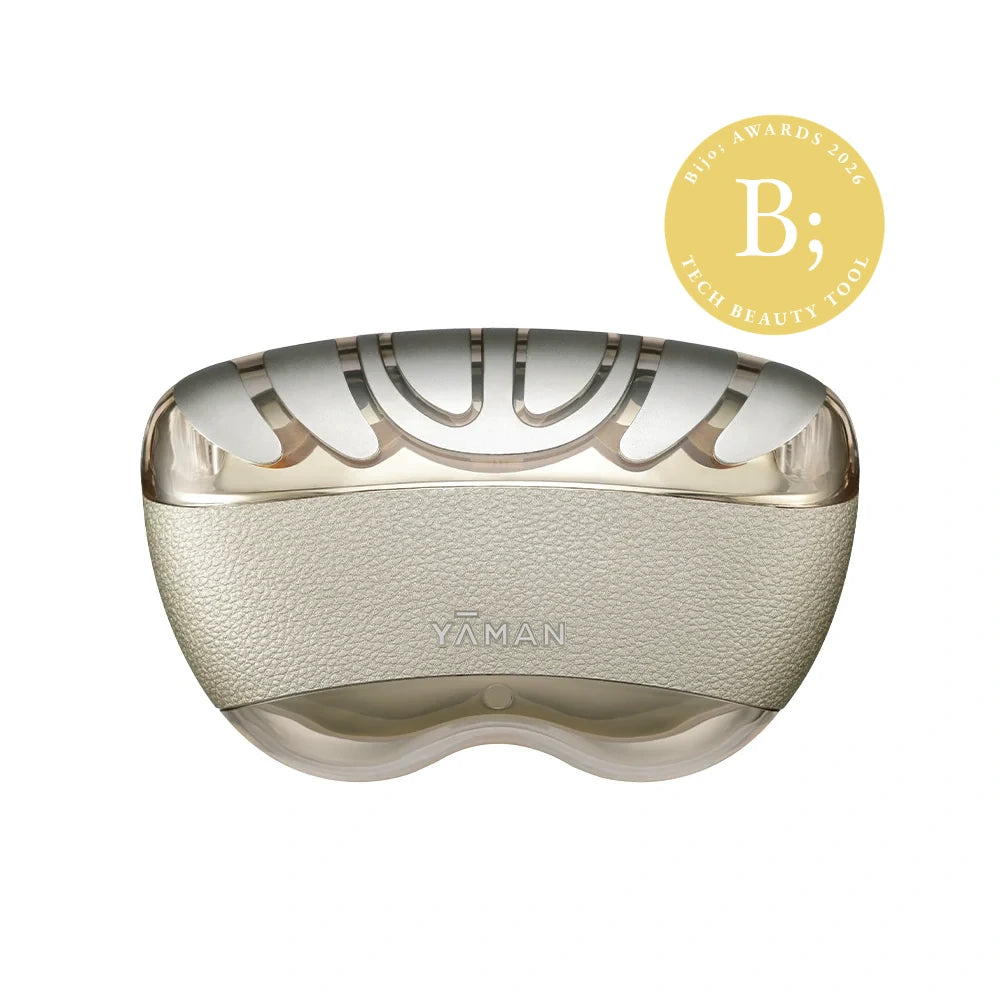
Liftlogy - YA-MAN
505 nm LED, EMS, and heat: Liftlogy combines contouring, firming, and the pursuit of a more even complexion.
Prevention: the most important anti-spot step
Targeting existing spots while continuing to expose the skin to daily sunlight without protection would be contradictory.
And sun protection does not stop when the holidays are over: UVA rays are present all year round and contribute to photoaging and the appearance of pigmentation irregularities.
Prevention therefore relies on two complementary habits: directly protecting the skin with a high SPF and limiting direct sun exposure as much as possible.
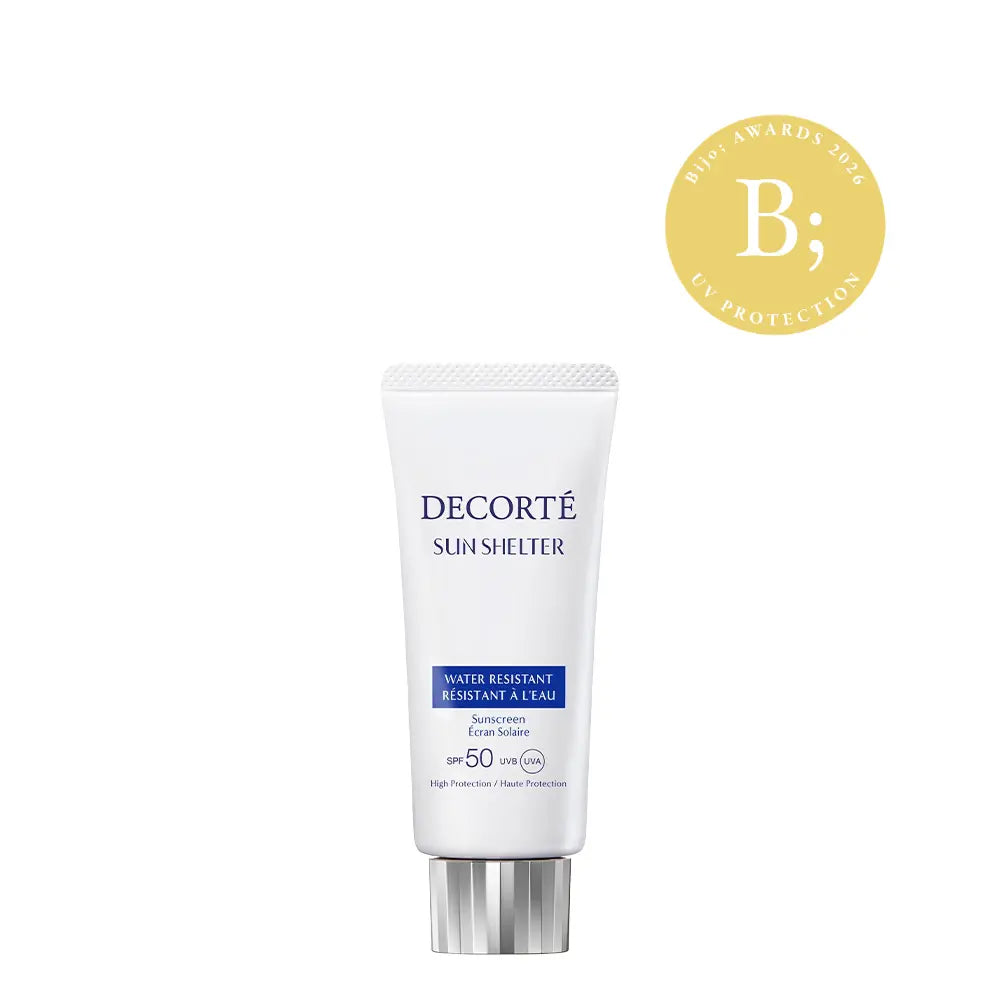
Sun Shelter SPF50+ PA++++ - DECORTÉ
A high UVA/UVB protection with a lightweight texture, essential for preventing the darkening and appearance of new sun-related spots.
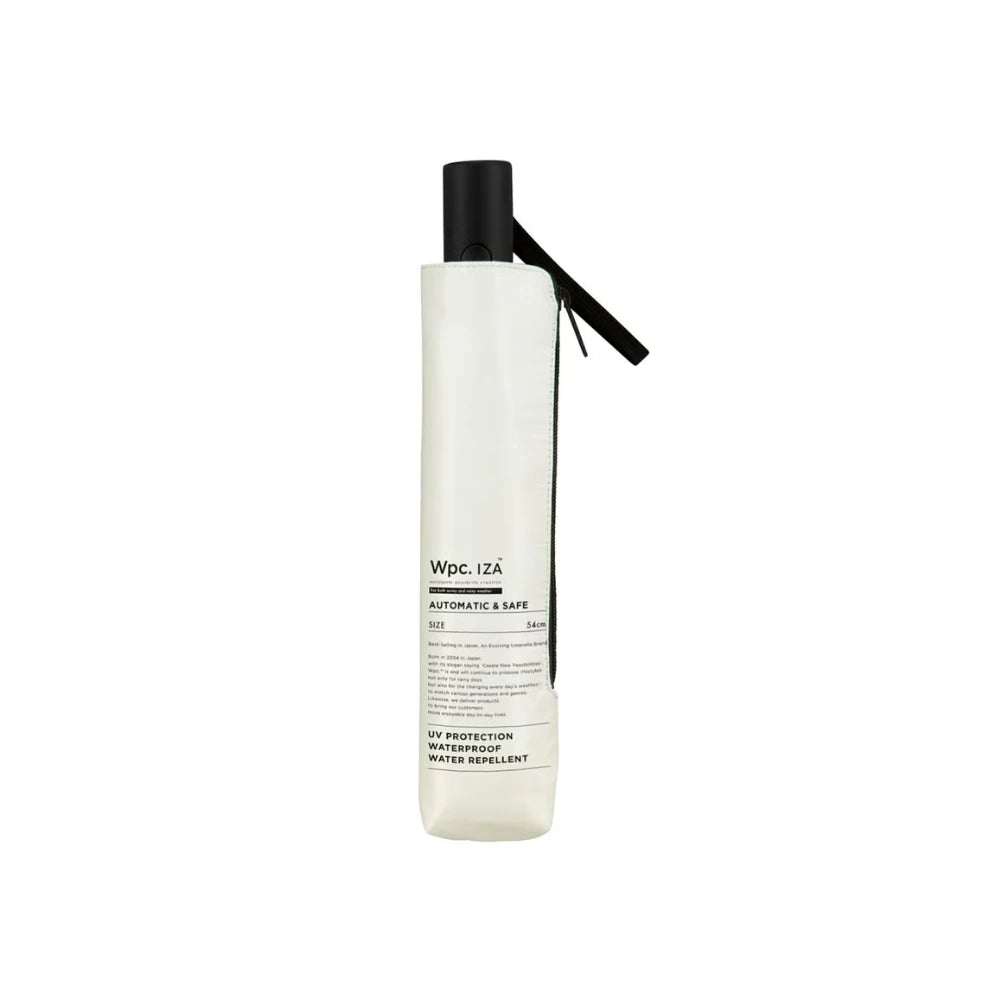
IZA PARASOL — Wpc.
A foldable Japanese UPF50+ parasol designed to limit direct sun exposure in everyday life.

UV PROTECTION HAT — SASAWASHI
Made in Japan from Sasawashi, its wide brim and breathable material provide up to 98% UV protection, according to the brand.
The Spots & Evenness Routine
A routine dedicated to pigmentation spots does not need to be complicated.
- In the morning, apply your targeted treatment and always finish with SPF50+ sun protection. During prolonged exposure, add physical protection such as a hat or parasol.
- In the evening, apply your targeted treatment to clean skin and, if needed, follow with a nourishing treatment such as the Skin Jewel Oil Serum to preserve comfort, suppleness, and radiance.
Beauty Tech can further enhance these steps depending on the protocol of the chosen device.